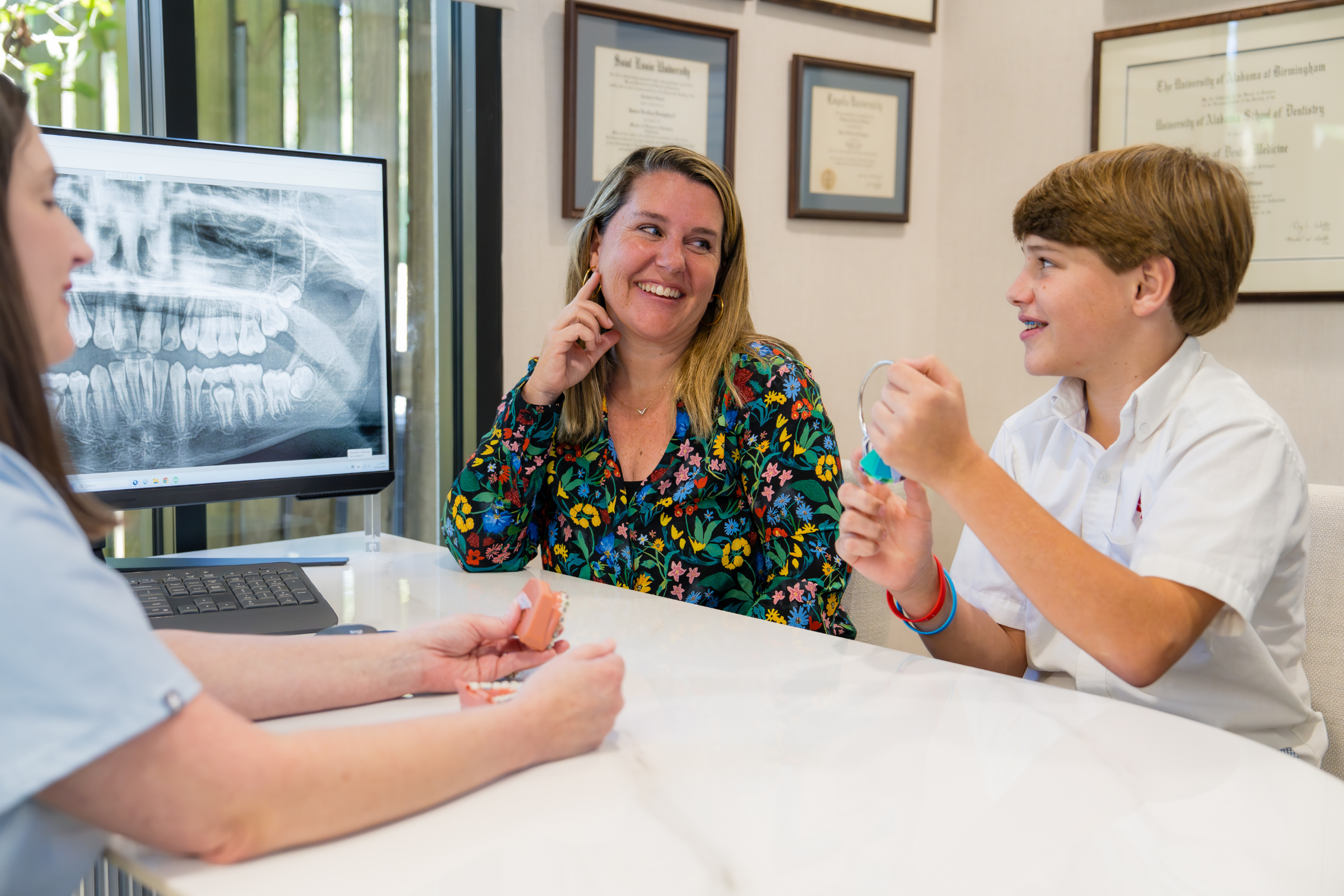
Understanding how your teeth fit together matters more than most people realize. When the upper and lower teeth don’t align correctly, it’s called a bite problem, and it can affect everything from chewing to jaw comfort to how your smile looks. Here’s what you need to know about the most common types and how they’re treated.
What Are Bite Problems (Malocclusions)?
A malocclusion is any misalignment between your upper and lower teeth when you bite down. In a healthy bite, the upper teeth slightly overlap the lower ones, and the back molars interlock smoothly like puzzle pieces. When that balance is off, you get what the team at Oyster Orthodontics evaluates every day: overbite, underbite, crossbite, open bite and overjet concerns.
Bite problems are very common. Research suggests malocclusion affects a majority of adults worldwide, and an even larger share of children show some form of bite misalignment during development.
Severity varies widely. Some bite issues are purely cosmetic and never cause trouble. Others wear down enamel, strain the jaw joint or make cleaning difficult. The three main types we’ll cover below (overbite, underbite and crossbite) each have their own patterns, causes and treatment paths.
How Each Bite Problem Develops and Presents
Each bite type has its own look and backstory. Here’s how to recognize them.
Overbite
An overbite means your upper front teeth overlap the lower front teeth vertically more than they should. A small overlap is normal. A deep bite happens when the upper teeth cover most (or all) of the lowers, sometimes biting into the gum tissue behind them.
Overbites often run in families. Jaw size mismatches can push a mild overbite into a deeper one, while thumb-sucking and prolonged pacifier use are more often linked to increased overjet or an open bite.
Underbite
An underbite is the opposite picture. The lower teeth and jaw sit in front of the upper teeth when the mouth closes. You’ll often see a prominent lower lip or chin profile.
Most underbites are skeletal, meaning the lower jaw grew longer than the upper jaw. Genetics plays the biggest role here. Early treatment during growth years makes a real difference.
Crossbite
A crossbite happens when one or more upper teeth bite inside the lower teeth instead of outside. It can show up in the front of the mouth (anterior crossbite) or the back (posterior crossbite). Some people have both.
Watch for a functional shift. If the jaw slides sideways when closing to find a comfortable position, that’s a warning sign. Left alone, this pattern can reshape jaw growth in kids and cause joint strain in adults.
Overjet vs. Overbite
These terms get mixed up constantly. Overbite is the vertical overlap (how far the upper teeth cover the lowers top to bottom). Overjet is the horizontal distance (how far the upper teeth stick out past the lowers). You can have one without the other, or both at once.
Common Causes at a Glance
- Genetics and inherited jaw patterns
- Thumb-sucking or pacifier use past age 3
- Early loss of baby teeth
- Mouth breathing or airway issues
- Tongue thrust habits
- Jaw injuries
Why Correcting Bite Problems Matters
Fixing a bad bite isn’t just about appearances. The health payoff is real and lasting.
Prevents accelerated tooth wear. When teeth meet unevenly, certain spots take all the force. Enamel chips, cracks and flattens faster than it should.
Reduces jaw strain and headaches. A misaligned bite forces the jaw muscles to overwork. Plenty of people live with morning headaches or a clicking jaw for years without realizing their bite is the root cause.
Protects your gums. Deep bites can drive lower teeth into the roof of the mouth, damaging tissue. Crossbites often push gums into recession on the affected side.
Improves chewing and digestion. When teeth don’t meet properly, breaking down food takes more effort. Correcting the bite restores efficient chewing.
Supports clearer speech. Open bites and severe overjets can affect how certain sounds form, especially the “s,” “th” and “f” sounds.
Makes cleaning easier. Straight, well-aligned teeth are simpler to brush and floss. That translates to fewer cavities and healthier gums long-term.
Enhances facial balance. Jaw position shapes your profile. Correcting a skeletal underbite or deep overbite can refine the whole lower face.
Builds smile confidence. Feeling good about your smile shows up everywhere, from job interviews to family photos.
The earlier bite issues are addressed, the fewer lasting effects they tend to cause. That’s why the American Association of Orthodontists recommends a first orthodontic check-up by age 7.
Overbite vs. Underbite vs. Crossbite at a Glance
Here’s a quick side-by-side look at the most common bite problems, what causes them and how they’re typically treated.
| Bite Type | Visible Signs | Common Causes | Typical Treatment |
|---|---|---|---|
| Overbite | Upper teeth overlap lowers vertically; can cover most of lower teeth | Genetics, thumb-sucking, jaw size mismatch | Braces, Invisalign, elastics |
| Underbite | Lower teeth and jaw sit in front of uppers; prominent chin | Mostly genetic/skeletal | Early expanders, braces, sometimes surgery for adults |
| Crossbite | Upper teeth bite inside lowers (front or back) | Narrow upper jaw, genetics, delayed tooth loss | Palatal expander, braces, Invisalign |
| Open Bite | Upper and lower front teeth don’t touch when biting | Thumb-sucking, tongue thrust, skeletal growth | Braces, habit correction, clear aligners |
| Overjet | Upper front teeth stick out horizontally (“buck teeth”) | Genetics, thumb-sucking, lower jaw growth lag | Braces with elastics, Invisalign, growth guidance |
A few patterns worth knowing:
- Early treatment works best for underbites and crossbites. Catching these during growth lets us guide the jaw instead of correcting it later.
- Habit-driven bites (open bite, some overjets) often improve once the habit stops, especially before age 5.
- Genetics dominates underbites and most skeletal issues.
- Complexity ranking: Skeletal underbites are generally the toughest to correct in adults, sometimes requiring a surgical component. Overbites and crossbites usually respond well to braces or aligners alone.
What Affects the Cost of Bite Correction
Every smile is different, and so is every treatment plan. A few key factors shape what bite correction looks like for your family.
Severity and type. A mild dental overbite takes less time and fewer tools than a skeletal underbite. Skeletal cases involve jaw growth, not just tooth position, which adds complexity.
Treatment method. Options include modern metal braces, clear braces, LightForce custom 3D-printed braces and Invisalign. Oyster Orthodontics is the only provider in the region offering LightForce, which uses digital scans to create brackets shaped for each tooth.
Treatment length. Most bite corrections take 12 to 24 months. Complex skeletal cases can run longer, while mild cases wrap up sooner.
Extra appliances. Palatal expanders, elastics and other tools may be needed depending on the bite pattern. These add to the overall plan.
Financing. Oyster Orthodontics offers no-interest financing with a low down payment and affordable monthly options. During your free consult, Dr. Oliver or Dr. Donaghey will walk you through the full picture so there are no surprises.
Who Needs Bite Correction and When
Bite problems show up at every age, but the ideal timing depends on how the bite is affecting growth, function or confidence.
Children (Ages 7-10)
The American Association of Orthodontists recommends a first orthodontic evaluation by age 7. This is especially important for underbites and crossbites, which respond well to early guidance while the jaw is still growing. A palatal expander or short phase of early treatment can often prevent bigger issues later.
Teens (Ages 11-15)
This is the classic window for full bite correction. Remaining jaw growth helps us shift teeth and align the bite efficiently. Metal braces, clear braces, LightForce and Invisalign all work well for teens, depending on the bite type and lifestyle.
Adults
You’re never too old for a better bite. Dr. Steven Oliver and Dr. James Donaghey treat families across every generation at Oyster Orthodontics. Adult treatment may take a bit longer since growth is complete, but the results are just as rewarding.
Warning Signs to Watch For
- Jaw shifts sideways when closing
- Noticeably worn or chipped teeth
- Chewing difficulty or food avoidance
- Speech issues, especially with “s” and “th” sounds
- Frequent jaw soreness or morning headaches
- Visible gaps between front teeth when biting down
Severe skeletal cases (particularly adult underbites) may call for a combined orthodontic and surgical approach. Dr. Oliver and Dr. Donaghey, with decades of expertise between them, will let you know if that’s part of your plan.
Frequently Asked Questions About Bite Problems
What is the hardest bite problem to fix?
Skeletal Class III underbites are generally the most complex, especially in adults. Because the lower jaw has grown too far forward, braces or aligners alone may not fully correct the bite. These cases sometimes require jaw surgery combined with orthodontic treatment. In growing children, however, early treatment can often avoid surgery altogether.
Is an overbite or underbite worse?
Severity matters more than the type. A mild overbite may never cause trouble, while a severe underbite can affect chewing, speech and jaw health. Both can lead to tooth wear and joint strain if left unaddressed. A free consultation with Oyster Orthodontics is the best way to know where your bite falls on that spectrum.
Can you have an overbite and crossbite at the same time?
Yes, and it’s actually quite common. Many families have combinations of bite issues, such as a deep overbite paired with a posterior crossbite or an overjet with an open bite. A thorough exam with digital scans helps map out exactly what’s happening so the treatment plan addresses everything together.
Can Invisalign correct bite problems?
Invisalign works well for mild to moderate bite issues, including many overbites, underbites, crossbites and open bites. More complex skeletal cases may need braces, elastics or additional appliances. During your free consult, Dr. Oliver and Dr. Donaghey will review whether Invisalign is the right fit for your specific bite.
Will my child grow out of a bad bite?
Usually not. Most bite problems (especially crossbites and underbites) don’t correct themselves and can actually get harder to treat with age. Some habit-driven bites, like a mild open bite from thumb-sucking, can improve if the habit stops early. That’s why an evaluation by age 7 is so valuable.
How long does bite correction take?
Most bite corrections take 12 to 24 months. Mild cases may finish sooner, while complex skeletal or combination cases can run longer. Your treatment time depends on the type of bite, the method used and how consistently retainers and elastics are worn.
Ready to find out what’s going on with your bite? Bright smiles are on the horizon, and the Oyster Orthodontics team is here to help. Visit us at our Mobile office at 4626 Bit and Spur Rd. (251-342-3188) or our North Mobile office at 7508 US-43 in McIntosh (251-342-0199) to book your free consult with Dr. Oliver or Dr. Donaghey. Let’s smile, Mobile Bay.